
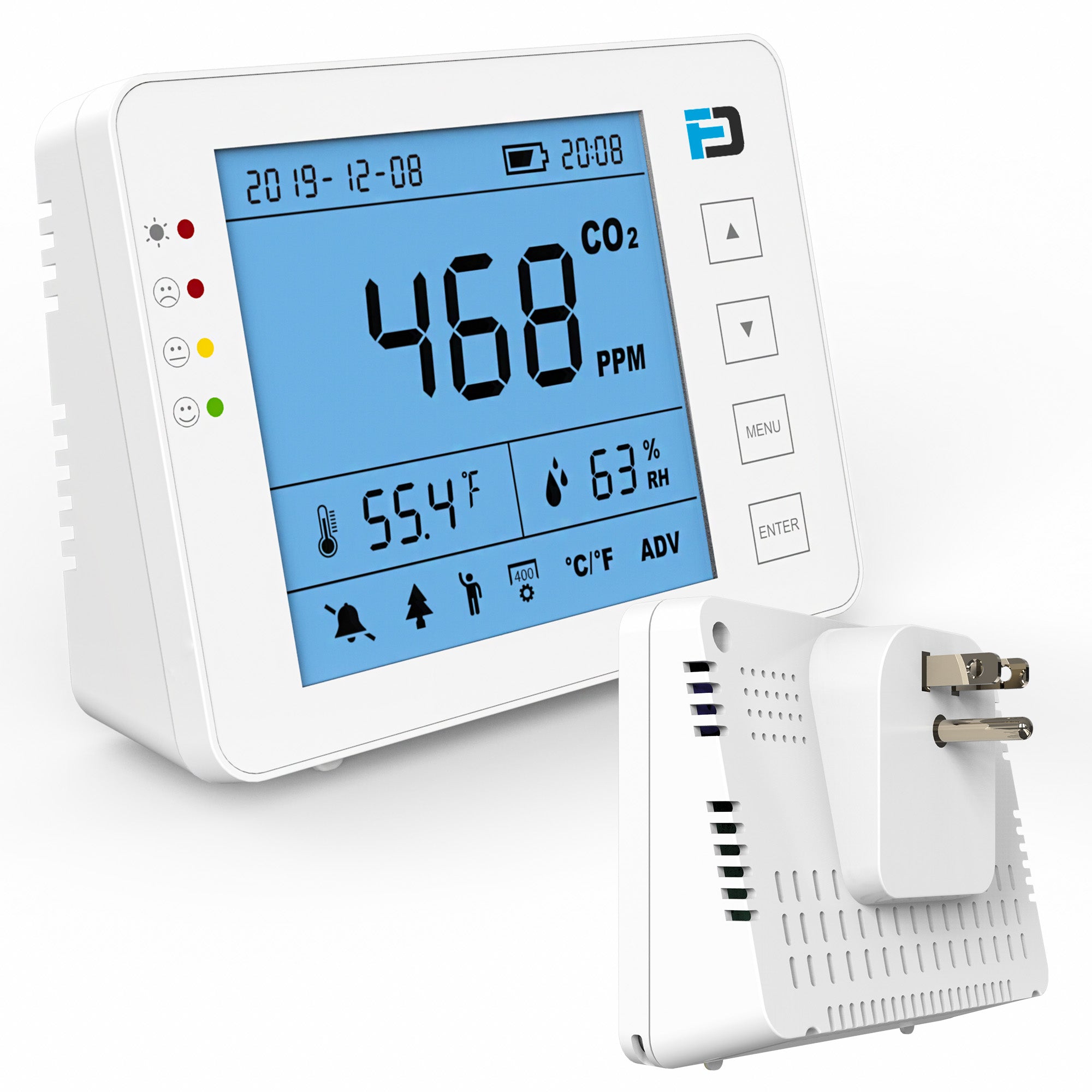
In an era where state of affairs sustainability and workplace safety are predominate, gas monitoring technologies play a crucial role in sleuthing risky gases and ensuring compliance with health and safety regulations. From industrial settings to municipality environments, the organic evolution of gas monitoring has seen considerable advancements, transforming signal detection into comprehensive examination psychoanalysis.
Understanding Gas Monitoring Technologies
Gas monitoring encompasses a variety show of technologies studied to observe and psychoanalyze gas concentrations in the . The primary feather objective lens is to assure safety by identifying the presence of corrupting gases, such as carbon monoxide(CO), methane(CH4), and fickle organic fertiliser compounds(VOCs). Modern gas monitoring systems can be classified into two main types: nonmoving and outboard systems.
Fixed Gas Monitoring Systems
Fixed gas monitoring systems are for good installed in facilities, particularly in industries such as oil and gas, manufacturing, and effluent handling. These systems unendingly ride herd on specific gases, providing real-time data and alerts when concentrations exceed preset thresholds. Advanced rigid systems often integrate with building management systems, allowing for centralised control and immediate response to risky conditions.
Portable Gas Monitoring Devices
Portable gas monitors offer tractableness and mobility, allowing users to carry orbit measurements in various locations. These are necessary for confined quad entry, leak signal detection, and response scenarios. Modern outboard monitors come armed with multi-gas detection capabilities, sanctioning users to assess multiplex gases at the same time. With advancements in engineering science, many outboard devices now sport Bluetooth connectivity, sanctioning remote data access and psychoanalysis through mobile applications.
The Detection Process
The detection work on begins with the use of sensors, which are indispensable components of gas monitoring technologies. Different types of sensors use various methodologies to place gases:
-
Electrochemical Sensors: Commonly used for ototoxic Wall Mount Monitors detection, these sensors make an electrical current in reply to gas front, allowing for punctilious mensuration.
-
Infrared Sensors: These sensors utilize infrared light get down to find gases that take over specific wavelengths, making them nonpareil for monitoring hydrocarbons and other VOCs.
-
Photoionization Detectors(PID): PIDs are effective for sleuthing a wide straddle of organic fertilizer compounds. They ionise gas molecules using ultraviolet radiation get down, measurement the consequent stream to determine concentration levels.
-
Catalytic Bead Sensors: These are typically used for combustible material gas detection. They run by measure changes in temperature resulting from gas oxidisation.
From Detection to Analysis
While signal detection is material, the psychoanalysis of gas data is equally probatory for operational -making. Modern gas monitoring systems cater not only real-time signal detection but also sophisticated analytics capabilities. This passage from detection to psychoanalysis involves several key features:
-
Data Logging: Continuous data logging helps cut through gas concentrations over time, sanctioning sheer analysis and existent reference.
-
Alarm Systems: Integrated horrify systems spark alerts supported on predetermined thresholds, ensuring rapid reply to potency hazards.
-
Remote Monitoring: Many systems now volunteer cloud up-based solutions, allowing operators to ride herd on gas levels from remote control locations. This feature is particularly useful for organizations with sixfold sites or those in operation in risky areas.
-
Data Visualization: Advanced software provides ocular representations of gas data, qualification it easier to interpret selective information.-boards and reports help stakeholders sympathize trends and make hip decisions regarding safety and compliance.
Conclusion
The advancements in gas monitoring technologies have transformed the landscape of state of affairs refuge and heavy-duty hygienics. From nonmoving systems that check consecutive monitoring to outboard studied for tractability, these technologies provide necessary tools for sleuthing and analyzing wild gases. As industries continue to prioritize safety and sustainability, the integration of Bodoni font gas monitoring systems will play a crucial role in protecting both populate and the . The journey from detection to comprehensive examination analysis not only enhances safety protocols but also promotes a culture of active situation stewardship.